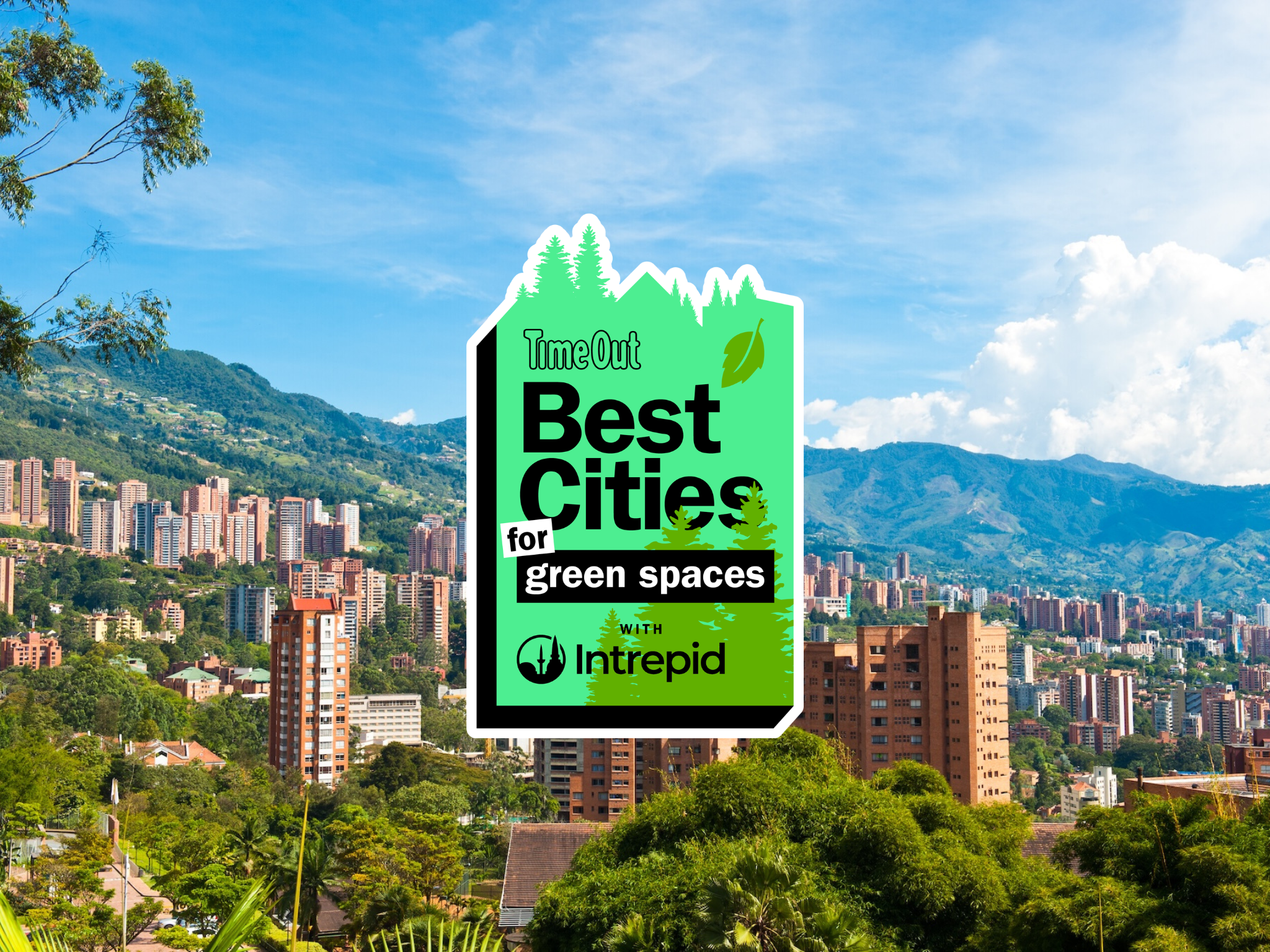
As urban areas continue to grow, the importance of green spaces and access to nature becomes increasingly vital for residents' well-being and quality of life. In 2026, several cities around the globe stand out for their exceptional parks, natural environments, and commitment to sustainability.
Time Out's latest ranking highlights cities that excel in providing lush parks, vibrant outdoor communities, and eco-friendly initiatives. These cities not only prioritize green infrastructure but also foster a culture that values outdoor activities and environmental preservation.
Leading the list is Vancouver, renowned for its stunning natural scenery, extensive park systems, and commitment to environmental sustainability. The city offers residents and visitors alike a harmonious blend of urban living and access to nature, with iconic spots like Stanley Park and nearby mountains.
Close behind is Oslo, which has made significant investments in green urban planning, resulting in a city filled with accessible parks, green roofs, and eco-conscious transportation options. Oslo's dedication to preserving its natural surroundings makes it a top destination for nature lovers.
Other notable cities include Melbourne, known for its expansive botanical gardens and outdoor art installations, and Singapore, which has transformed itself into a 'City in a Garden' with lush greenery integrated into its urban landscape.
European cities like Stockholm and Copenhagen also feature prominently, thanks to their extensive cycling paths, waterfront parks, and sustainable urban development policies. These cities demonstrate how urban environments can coexist harmoniously with nature.
In North America, Toronto stands out for its diverse parks and waterfront areas, providing residents with ample outdoor recreational opportunities. Meanwhile, Wellington offers a compact yet rich natural environment, perfect for outdoor enthusiasts.
Overall, the cities recognized in this ranking exemplify innovative approaches to integrating green spaces into urban life. They serve as models for other cities aiming to enhance residents' quality of life through sustainable and accessible natural environments.
As we look toward 2026, urban planners and policymakers worldwide are encouraged to prioritize green infrastructure, ensuring that cities remain vibrant, healthy, and connected to nature for generations to come.